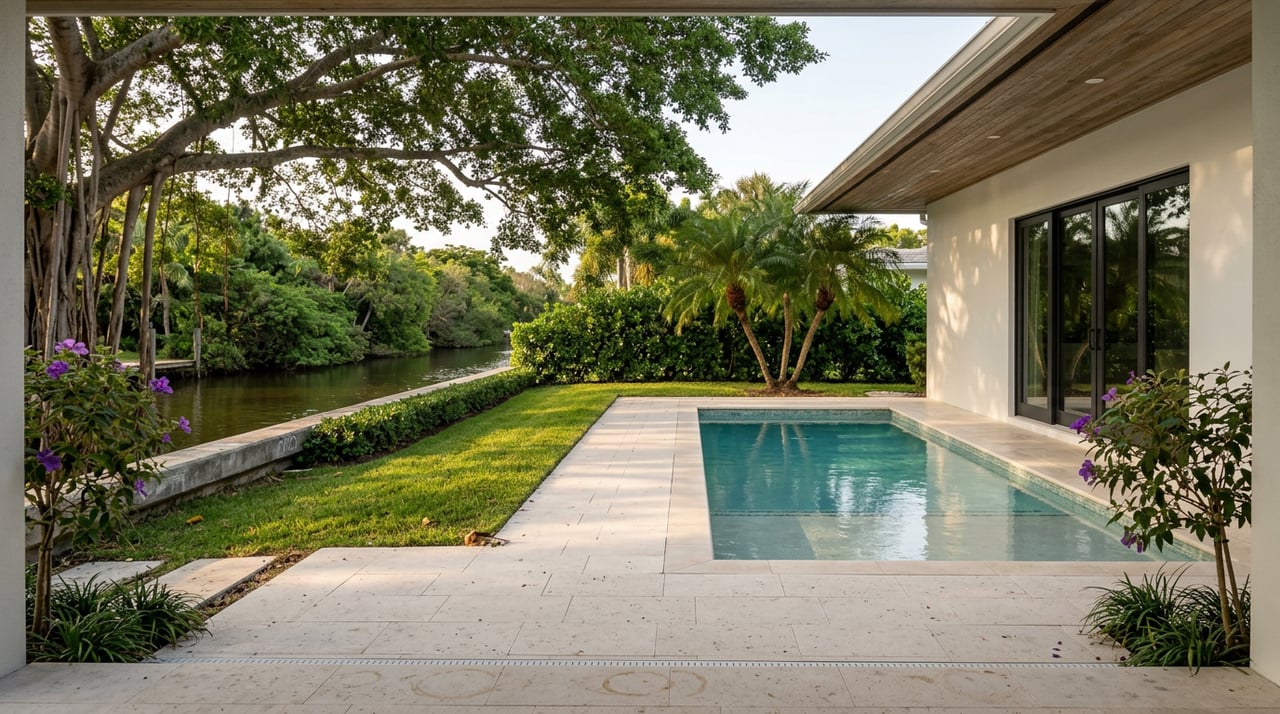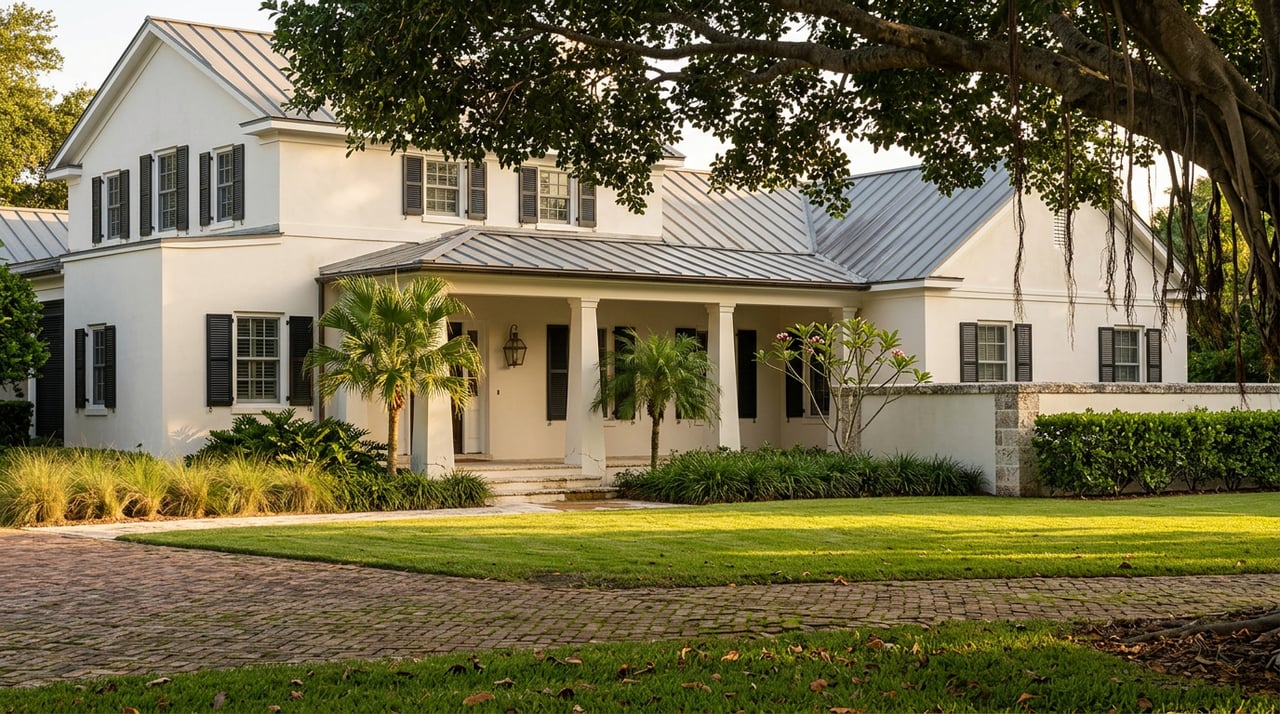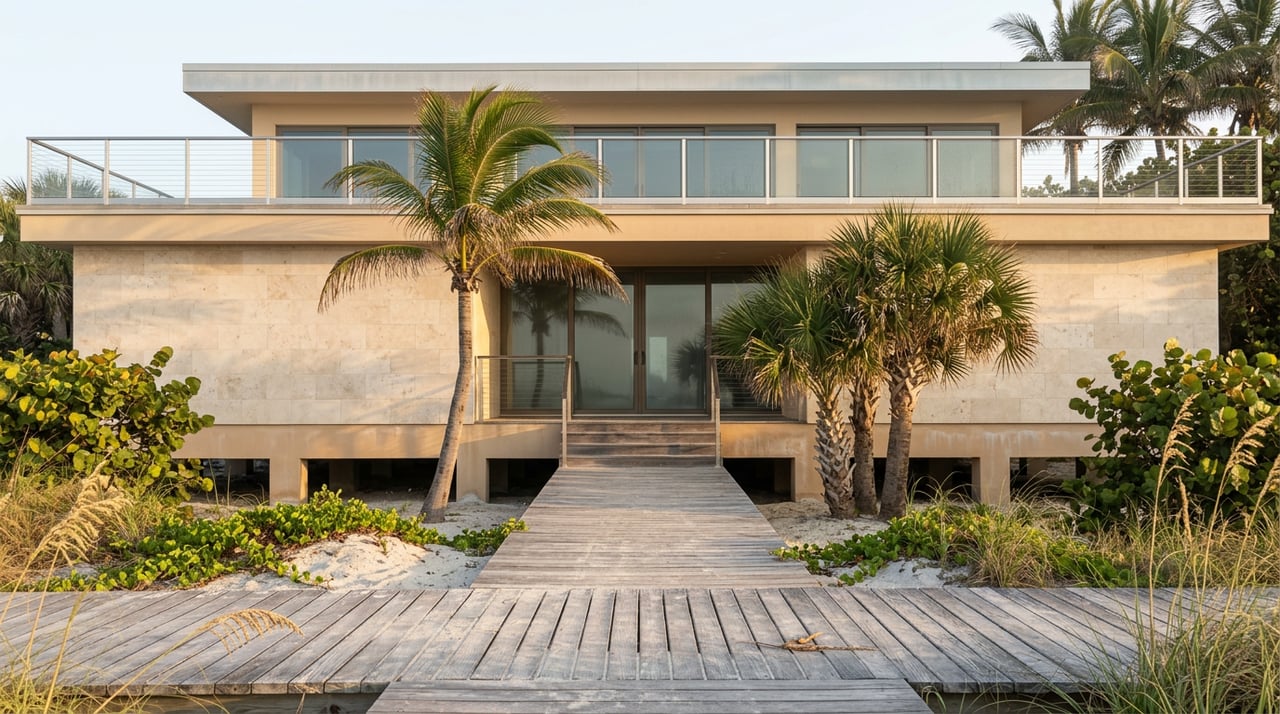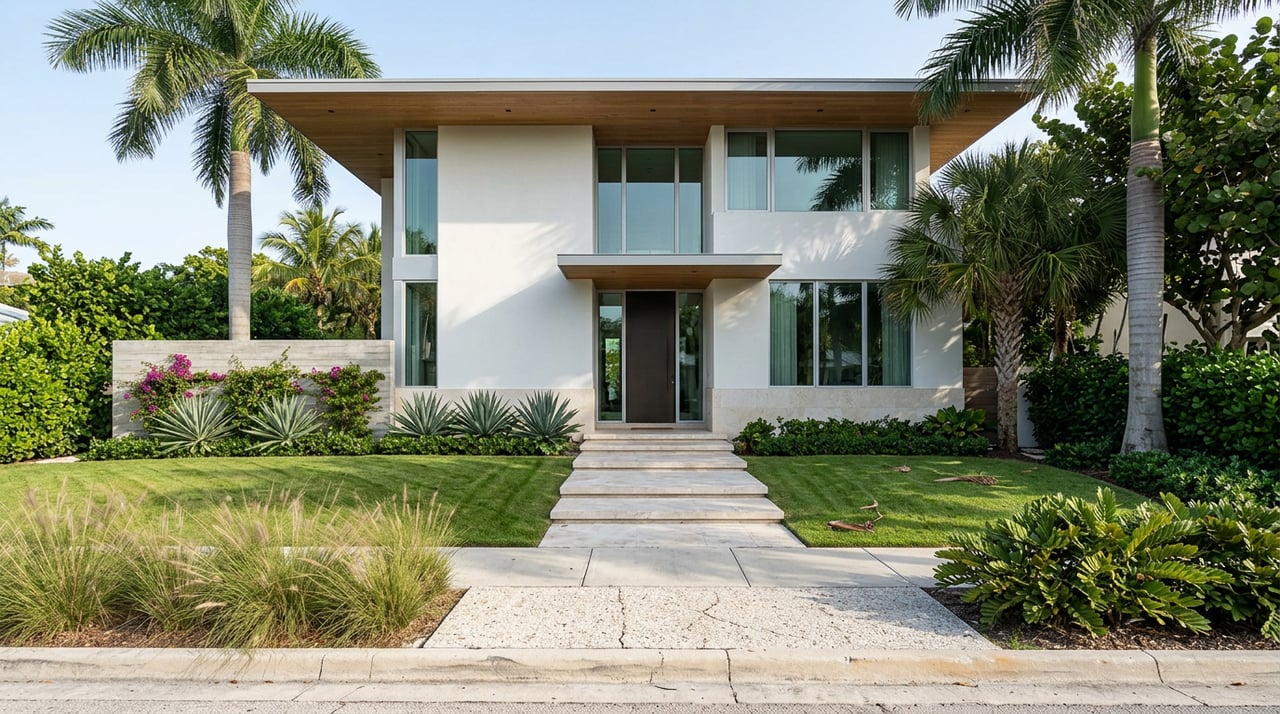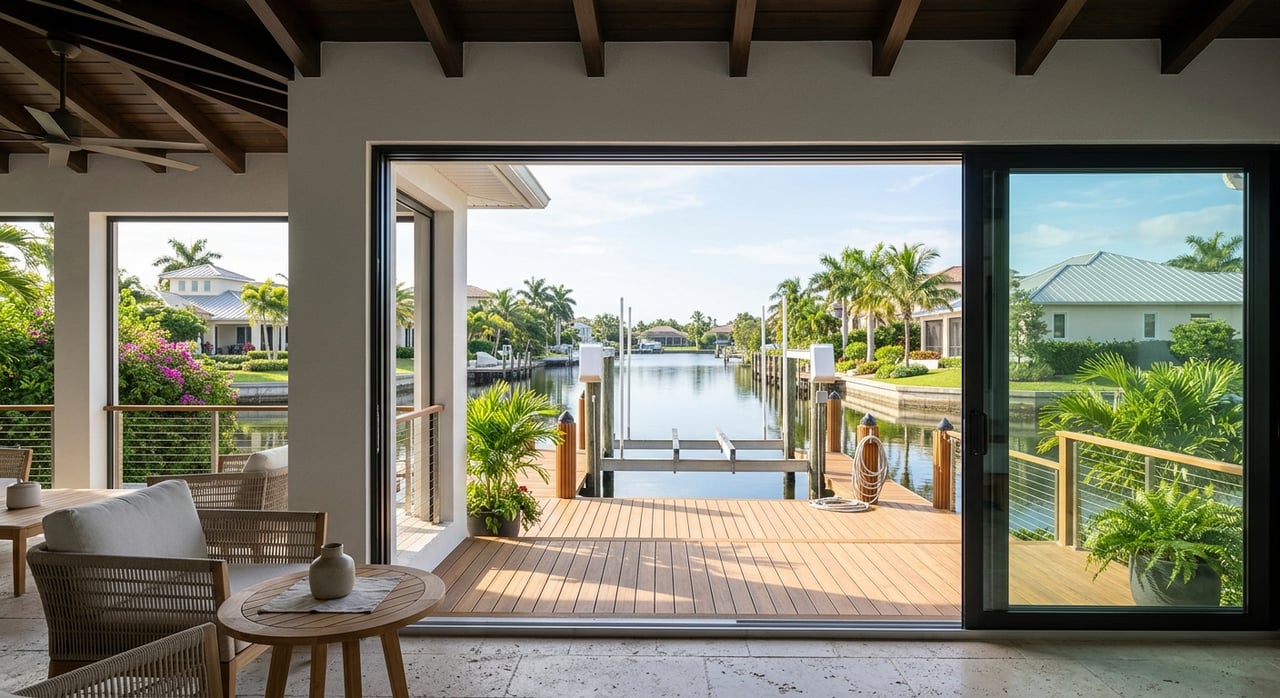
If your ideal Naples home includes stepping from your backyard onto your boat, Royal Harbor is likely already on your radar. It offers real boating appeal, but for serious boaters, the right purchase is about much more than a waterfront address alone. You need to know how a specific parcel handles dock setup, canal width, water depth, shoreline condition, and flood exposure. This guide will help you focus on the details that matter most before you make an offer. Let’s dive in.
Why Royal Harbor appeals to boaters
Royal Harbor is one of the City of Naples’ waterfront neighborhoods, and its canal system is part of the East Naples Bay Special Taxing District. The city says this district was created to improve water quality and navigability and to provide maintenance dredging in the channels and waterways within the district.
For boaters, that matters because Naples Bay connects to the Gulf of Mexico through Gordon Pass. The neighborhood gives you the convenience of canal living with access to Naples Bay, plus close proximity to downtown Naples. That combination is a big part of Royal Harbor’s draw.
Still, not every waterfront lot functions the same way. The city describes Naples Bay as a shallow, narrow estuarine system, so your buying decision should come down to the exact property rather than the neighborhood name alone.
Focus on the parcel, not just the address
Avid boaters often shop by community first, then narrow by style and price. In Royal Harbor, that approach should be reversed once you find a home you like. The most important question is whether that specific property works for your boat and how you plan to use it.
Two homes on the same street can offer very different boating experiences. Canal width, dock placement, low-tide depth, and shoreline improvements can all change what is practical at a given address.
If you are comparing homes, it helps to think beyond appearance and square footage. A beautiful waterfront property may not be the best fit if the dock geometry or water conditions limit your vessel size or ease of use.
Dock setup can shape daily use
The City of Naples’ waterfront-residential code plays a major role in what a waterfront owner can reasonably expect at a property. Under city rules, piers cannot be covered, and lift systems may be placed on the end of the pier or along the offshore side.
The code also limits the combined width of the pier, pilings, lift, and vessel to no more than 25 percent of the width of the waterway. For many buyers, that means canal width is not just a technical detail. It can directly affect vessel fit and dock design.
In practice, a straight-out pier with a lift is often the most code-compatible pattern. Even so, the exact setup depends on lot geometry, canal width, and whether an existing dock is an older improvement with different setback standards.
Older docks may follow different standards
The city distinguishes between docks built on or after September 15, 1999 and older docks. That matters because side setbacks can differ depending on when the structure was built.
If a property already has a dock, you will want to know whether it conforms to current code or whether it is grandfathered. That distinction may affect future changes, repairs, or replacement plans.
Bayfront rules can differ
For lots on Naples Bay and Gordon Pass, the city allows piers to extend beyond the usual 25-foot limit if needed to reach 5 feet mean low water. The city also prohibits outboard walkways on those lots.
If you are considering a bayfront property rather than a canal-front one, that difference becomes especially important. The dock that works on one shoreline may not be the right expectation on another.
Canal width and water depth matter more than you think
When buyers picture boating from home, they often focus on the route to Naples Bay and the Gulf. Just as important is how the boat sits and moves at the property itself.
Collier County’s marine permit submittal requires a site plan showing canal width and proposed dock protrusion measured from the most restrictive property or shoreline line. That tells you how closely dock planning is tied to the physical dimensions of the waterway.
You should also confirm the actual depth at normal low tide. Because Naples Bay is shallow in places, low-tide depth can influence both your current boating plans and your future flexibility if your vessel changes.
Ask targeted boating questions early
Before you move forward with a purchase, ask clear questions that connect directly to the parcel:
- Does the existing dock match current code, or is it a grandfathered improvement?
- How wide is the canal at the dock?
- What does that width allow for pier size, lift placement, and vessel use?
- What is the actual depth at normal low tide?
- Is there any dredging history or maintenance context that affects access?
These are not minor details. For a boater, they are central to whether a home supports the lifestyle you want.
Shoreline condition deserves close review
Dock access is only part of the picture. Shoreline condition can affect long-term maintenance, resilience, and how a waterfront property performs over time.
The city says most bayfront and canal shorelines in this area are armored by seawalls or riprap. It is also tracking these structures as part of adaptation work related to wave forces, sea-level rise, and flood protection.
That means you should review the condition of any seawall or shoreline stabilization carefully. A home’s waterfront edge is not just a visual feature. It is an important part of the property’s maintenance profile.
Flood exposure should be part of your review
Any waterfront purchase in Naples should include a serious look at flood conditions. The city says Naples is particularly susceptible to flooding from major rain events and storm surge and lies close to sea level.
The city also uses 2024 Flood Insurance Rate Maps for construction and insurance purposes. For that reason, an elevation certificate and official flood-zone confirmation should be part of your purchase review.
This step helps you understand not only insurance and building context, but also the broader ownership picture. For luxury waterfront buyers, having clarity early can make decision-making much smoother.
Understand the taxing district boundaries
Buyers should also verify whether a property is inside the East Naples Bay Special Taxing District. The district includes the canals in Golden Shores, Oyster Bay, and Royal Harbor, but it does not include properties facing Naples Bay.
That distinction can matter when you are evaluating the property’s setting and how local waterway maintenance is structured. It is a useful question to confirm before you finalize your due diligence.
Nearby boating support adds flexibility
One of Royal Harbor’s practical advantages is that you are not relying only on your private dock. Naples City Dock in Crayton Cove offers useful backup support for day-to-day boating needs.
According to the city, Naples City Dock offers fuel, a pump-out station, ice, bait, refreshments, charter excursions, transient dockage, and annual dockage for vessels up to 60 feet. The city also notes that it is minutes from downtown Naples shopping and dining.
For buyers with larger boats, guest needs, or occasional service logistics, that nearby public marina support can be meaningful. It adds flexibility when your home dock is only one piece of the overall boating picture.
Public dockage can be a helpful fallback
If you plan to keep a larger vessel, compare your private dock setup with nearby public options. Naples City Dock’s mooring field is capped at 43 feet in length, 18.5 feet in beam, and 5 feet in draft, while annual dockage accommodates vessels up to 60 feet.
That does not replace private dock suitability, but it can help shape your contingency planning. For some buyers, this nearby option supports a more comfortable ownership experience.
Royal Harbor offers more than water access
Royal Harbor also benefits from its connection to the wider Naples lifestyle. The city’s neighborhood planning includes priorities such as a shared-use path connection over the 5th Avenue South and Gordon River Bridge corridor to downtown and the Greenway.
For many buyers, that balance is part of the appeal. You can enjoy waterfront living while staying close to downtown dining, shopping, and everyday convenience.
That said, the strongest Royal Harbor purchase decisions still come back to boating practicality. Lifestyle value is important, but the right home should work just as well on the water as it does on land.
How to evaluate a Royal Harbor home
If you are seriously considering buying in Royal Harbor, a simple review framework can help you stay focused:
- Confirm the property’s water access route to Naples Bay and Gordon Pass.
- Review dock configuration, lift placement, and whether the structure follows current code or older standards.
- Measure canal width and understand what it allows for your vessel.
- Verify water depth at normal low tide.
- Review seawall, riprap, or other shoreline conditions.
- Confirm flood-zone status and request an elevation certificate.
- Check whether the parcel is within the East Naples Bay Special Taxing District.
- Consider nearby support options such as Naples City Dock.
This kind of process keeps you centered on how the property will function in real life. For avid boaters, that clarity is essential.
Royal Harbor can be an exceptional fit if you want canal access, Naples Bay access, and close proximity to downtown Naples. The key is choosing the right parcel, with the right dockability, shoreline condition, and flood profile for the way you actually boat. If you want a thoughtful, discreet review of Royal Harbor opportunities, Sandra Edwards can help you navigate the details with local insight and care.
FAQs
What makes Royal Harbor appealing for boaters in Naples?
- Royal Harbor offers canal access to Naples Bay, Gulf access through Gordon Pass, and close proximity to downtown Naples, but each parcel should be evaluated for dockability, depth, and shoreline condition.
What dock rules matter when buying a Royal Harbor waterfront home?
- City rules say piers cannot be covered, lift systems may be placed on the end of the pier or along the offshore side, and the combined width of the pier, pilings, lift, and vessel generally cannot exceed 25 percent of the waterway width.
What should you ask about an existing dock in Royal Harbor?
- You should ask whether the dock matches current code or is a grandfathered improvement, because older docks may follow different setback standards than newer structures.
Why does canal width matter for a Royal Harbor home purchase?
- Canal width can affect what is allowed for pier width, lift placement, and vessel size, making it a key part of evaluating whether a property fits your boating needs.
What flood review should buyers complete for a Royal Harbor property?
- Buyers should obtain an elevation certificate and official flood-zone confirmation, since the City of Naples says the area is susceptible to flooding from major rain events and storm surge and uses 2024 Flood Insurance Rate Maps for construction and insurance purposes.
What shoreline issues should buyers review in Royal Harbor?
- Buyers should review the condition of seawalls, riprap, or other shoreline armoring because the city notes that most bayfront and canal shorelines are armored and is tracking those structures as part of adaptation work.
What boating support is available near Royal Harbor if you need public dock services?
- Naples City Dock in Crayton Cove offers fuel, pump-out service, ice, bait, refreshments, charter excursions, transient dockage, and annual dockage for vessels up to 60 feet.